MARSB
MARSB’s mission is to conserve and wisely manage the Mid-Atlantic Region’s wild seed resources, through scientific sampling, ethical collection, banking, and curation, and to encourage and actively contribute to the development of the Native Plant Material supply chain throughout the region.
MARSB Welcomes its Newest Board Member
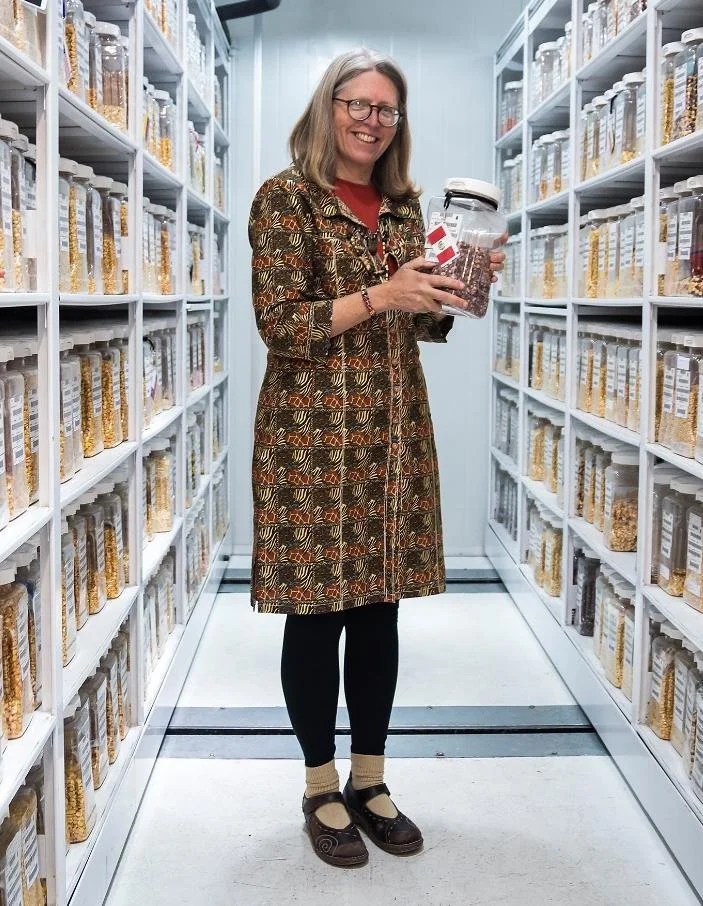
Dr. Denise Costich comes to MARSB following a distinguished scientific career in biology, marked most notably as head of the Maize Collection at the Germplasm Bank of the International Maize and Wheat Improvement Center (CIMMYT) in Texcoco, Mexico and as a Research Scientist with Cornell University.
Dr. Costich worked on maize research for over 20 years and is a contributing author to over 50 publications. Her work at CIMMYT prioritized not only the ex-situ conservation of priceless germplasm, but also outreach to community stakeholders – a critical avenue for the sharing of scientific resources, cultural prictices, and rematriation of seed that may otherwise have been lost to time.
Dr. Costich’s knowledge of seed banking has already been applied as a member of the Board of Trustees for Seed Savers Exchange, and will be of tremendous value to MARSB. We are thrilled to add her to our Board of Directors.
Welcome, Dr. Costich!
Read more about Dr. Costich here.
Dr. Denise Costich
MAJOR NEW INITIATIVE
Major New Effort to Fund a Mid Atlantic Native Seed Supply Chain
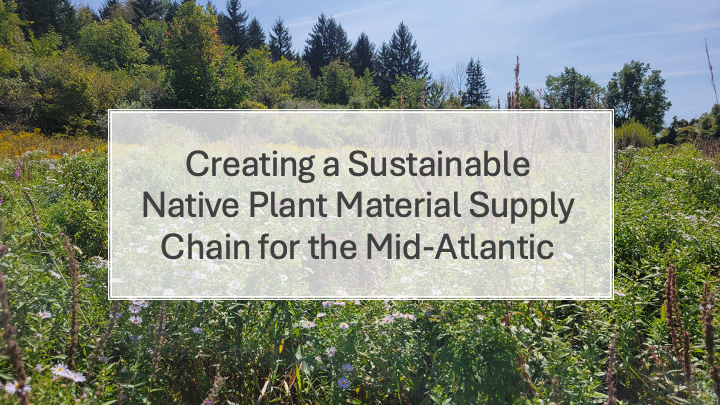
With the virtual collapse of federal funding this year, MARSB has spent a great deal of time focusing on redirecting supply chain efforts towards regional self-sufficiency. In early October, Director Ed Toth had an opportunity to address native plant supporters in Maryland, and he took the opportunity to clarify and simplify the supply chain narrative. In the presentation, Creating a Sustainable Native Plant Material Supply Chain for the Mid-Atlantic (or what he calls Native Plant Economics 101) Ed asks the audience to focus on nine key words to take away and consider for action. Listen to his talk below.
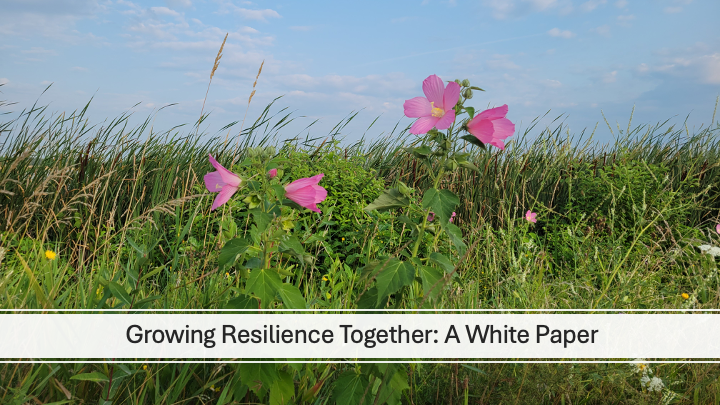
As leadership and funding continues to shift away from the federal level, collaborative and regional funding efforts will be required. While society is investing in related activities such as disaster recovery and climate resiliency, the allocation of funds for the key resource of native plant materials has been ignored. One solution posed by MARSB may be the development of compacts, which have been used successfully to generate revenue-neutral funds for other stated purposes. We explore this in the white paper, Growing Resilience Together: An Interstate Native Plant Compact Proposal. Download it as a pdf below.
RECENT NEWS



Please Consider Supporting our Work
The work of developing a robust mid-Atlantic region-wide native plant supply chain will take significant investment of time, talent, and money. Please consider how you can support this critically important ecological work.
